
Need Help? Call
Master of Surgery (MS) : Duration, Syllabus, Top Colleges, Fees & Salary
Understanding the Master of Surgery (MS) Degree
The Master of Surgery (MS) is a postgraduate medical degree for doctors who want to specialize in surgery. This program is usually taken after completing MBBS (Bachelor of Medicine and Bachelor of Surgery) and is focused on building expertise in specific surgical fields like:

- General Surgery
- Orthopaedics
- ENT (Ear, Nose, Throat)
- Gynaecology & Obstetrics
- Neurosurgery, and more
What makes the MS course unique is that it blends classroom knowledge with real-world surgical training. Students get hands-on experience in operation theatres, emergency rooms, and surgical wards. They learn how to plan surgeries, use surgical instruments, manage patient care, and make quick decisions during critical situations.
What is an MS (Master of Surgery)?
MS, or Master of Surgery, is a specialized postgraduate medical degree focused on training doctors to become expert surgeons. Unlike general medical degrees that focus mostly on diagnosis and treatment with medicines, MS is all about learning how to perform surgeries safely and effectively.
During this course, doctors get hands-on experience in operating rooms, assisting in surgeries, and managing emergency situations. They also deepen their understanding of human anatomy and how to care for patients before, during, and after surgery.
MS covers a range of surgical specialties like general surgery, orthopaedics, ENT (ear, nose, throat), obstetrics and gynaecology, neurosurgery, and ophthalmology. To succeed, surgeons must develop steady hands, precision, strong decision-making skills, and the ability to work calmly under pressure.
In short, MS prepares doctors not just to diagnose problems, but to actively fix them through surgery. It’s a challenging but highly rewarding path for those passionate about surgical care.


What is the Full Form of MS?
The MS full form in medical is Master of Surgery.
In the field of medicine, surgery is a highly specialized branch that demands deep knowledge, sharp skills, and absolute precision. Surgeons are trusted with one of the most critical responsibilities—performing life-saving procedures and helping patients recover from serious health issues.
To succeed in this challenging but rewarding career, many doctors choose to pursue an MS degree (Master of Surgery). It offers advanced training in surgical techniques, patient care, and clinical procedures, preparing doctors to become confident and skilled surgeons.
MS Course Highlights
The Master of Surgery (MS) is a postgraduate medical course designed for MBBS graduates who want to become expert surgeons. In India, this course is 3 years long and includes intensive training in surgical techniques, patient care, and medical research within the chosen specialty.
Here’s a quick look at the key highlights of the MS course:
| Particulars | Details |
|---|---|
| Degree Name | Master of Surgery in General Surgery (MS) |
| Course Level | Postgraduate (PG) |
| Course Duration | 3 Years |
| Eligibility | MBBS Degree |
| Age Limit | No age limit |
| Admission Criteria | Based on entrance exams (NEET PG, INI CET) |
| Top Entrance Exams | NEET PG, INI CET |
| Average Course Fees | ₹54,000 to ₹18 Lakhs (varies by college) |
| Top Colleges | AIIMS Delhi, PGIMER Chandigarh, CMC Vellore, JIPMER, and more |
| Average Salary After Completion | ₹8 to ₹35 LPA (depends on specialization and experience) |
| Career Roles | General Surgeon, Neurosurgeon, ENT Surgeon, Gynaecologist, Lecturer, etc. |
| Top Recruiters | AIIMS, Apollo Hospitals, Fortis, Manipal Group, Medica, Indian Nursing Council |
| Work Opportunities | Hospitals, Medical Colleges, Research Institutes, Nursing Homes, Clinics |
Why Choose MS (Master of Surgery)?
Pursuing a Master of Surgery (MS) is one of the most rewarding choices for medical graduates who dream of becoming expert surgeons. It’s a challenging path, but packed with valuable skills, career growth, and strong earning potential.
Here are some top reasons to choose MS:
- In-Depth Surgical Knowledge
- Hands-On Learning in Real Medical Settings
- Strong Ward and Patient Management Skills
- Wide Career Scope in Medicine
- Better Job Opportunities with Higher Salary
- Pathway to Super Specializations
MS helps students gain a deep understanding of human anatomy, surgical methods, and advanced treatment techniques. You don’t just learn theory you master how to actually treat diseases through surgery.
From operation theatre training to emergency duty rotations, MS students get practical, real-world experience. This kind of training builds confidence and sharpens decision-making during critical situations.
The program teaches you how to manage surgical wards, lead a healthcare team, and care for patients before and after surgery—essential skills for any successful surgeon.
The healthcare industry is always in need of skilled surgeons. After MS, you can work in government or private hospitals, start your own surgical practice, or even move into teaching and research.
MS graduates often get placed in reputed hospitals, especially in urban and semi-urban areas, with attractive salary packages. Specialized surgeons are among the highest-paid professionals in the medical field.
After MS, you can further specialize in fields like Neurosurgery, Cardiothoracic Surgery, Plastic Surgery, etc., opening doors to even more prestigious roles.
Course Duration & Structure
The MS General Surgery course duration in India of the MS General Surgery program is 3 years. Throughout the course, students undergo:
- Practical Training
- Clinical Rotations
- Surgical Workshops
- Research Work
The curriculum is designed to help future surgeons become technically sound, ethical, and confident professionals, capable of managing real-life surgical challenges.
Eligibility for MS in India – Who Can Apply for Master of Surgery?
If you want to become a surgeon in India, doing an MS (Master of Surgery) is an important step after MBBS. Before applying, you should know the MS course eligibility criteria decided by medical colleges and entrance exam authorities. This will help you understand if you qualify and can get admission to a good MS program.
Here’s a simple and clear breakdown of the Eligibility for MS in India:
Basic MS Eligibility Requirements
Most medical colleges in India follow these standard eligibility rules for admission into the Master of Surgery (MS) program:
- MBBS Degree is Mandatory
- You must have completed an MBBS degree from a recognized medical college or university in India or abroad.
- The MBBS degree should be recognized by the National Medical Commission (NMC) or former Medical Council of India (MCI).
- Completion of Internship
- A one-year mandatory rotating internship must be completed after MBBS.
- You should have the internship completion certificate before the counselling or admission date.
- Qualifying NEET PG or INI CET
- Admission to MS programs is strictly entrance-based.
- You must appear for and qualify NEET PG (National Eligibility cum Entrance Test – Postgraduate) or INI CET (for AIIMS and other INI institutions).
- Minimum Marks Requirement
- Some colleges may require you to score at least 50% aggregate marks in MBBS.
- In NEET PG, candidates must secure the qualifying percentile as prescribed by NBE (varies each year).
| Eligibility Criteria | Details |
|---|---|
| MBBS Degree | From an NMC-recognized institution |
| Internship | 1-year compulsory rotating internship completed |
| Entrance Exam | NEET PG / INI CET qualified |
| Minimum Marks | 50% aggregate in MBBS (varies by college) |
| Age Limit | No upper age limit for most institutes |
MS in Surgery Admission 2025 – Step-by-Step Guide for Aspiring Surgeons
Planning to pursue MS in Surgery in 2025? Great choice! It’s an important step if you want to become a skilled surgeon and build a successful career in the medical field. If you’re wondering how to get MS admission through NEET PG 2025 or specifically looking for MS General Surgery admission through NEET PG 2025, we’ve got you covered. In this guide, we’ll share the step-by-step process to apply for MS course after MBBS so you can understand the admission process easily and prepare without confusion.
Here’s everything you need to know about MS in Surgery admission 2025:
Step-by-Step Admission Process for Master of Surgery (MS)
Check Eligibility
- You must have completed your MBBS degree from a recognized medical college (approved by NMC).
- Also, make sure your one-year internship is completed or will be completed before the admission deadline.
Appear for Entrance Exam
- Admission to MS courses is entrance-based, mainly through the NEET PG
- Some premier institutes like AIIMS, JIPMER, and PGIMER conduct admissions via INI CET.
Register & Fill the Application Form
- Visit the official website of NEET PG or INI CET and register online.
- Fill out the application form carefully and upload the required documents.
Take the Entrance Exam
- Appear for the scheduled NEET PG or INI CET
- Make sure to prepare well, as your rank in the exam determines your seat in MS programs.
Check Results & Scorecard
- After the exam, wait for the result declaration.
- Download your scorecard, which will be used during counselling.
Participate in Counselling
- Based on your rank, participate in the central or state-level counselling process (like MCC or state DME).
- Fill in your college preferences and specializations.
Seat Allotment & Acceptance
- If you’re allotted a seat, accept it within the given timeline.
- Pay the required admission fee to confirm your seat.
Document Verification
- Attend the document verification process with all original documents like:
- MBBS Degree
- Internship Certificate
- NEET PG Scorecard
- ID Proof
- Category Certificate (if applicable)
Final Admission at Institute
- Visit the allotted college or university to complete admission formalities.
- Submit original documents, final fees, and get ready to begin your MS journey.
Master of Surgery (MS) Syllabus & Subjects
If you’re planning for MS in Surgery admission 2025, it’s important to understand what you’ll actually study during the course. The MS degree (Master of Surgery) is a 3-year postgraduate program designed to give doctors advanced training in surgery. The syllabus is both theoretical and practical and includes research work, hands-on experience, and special postings.
Here’s an overview of the MS syllabus and subjects you’ll come across:
Semester-Wise MS Syllabus Breakdown
Semester 1
- General Surgery
- Anaesthesia
- Radiology & Radiotherapy
- Basics of Orthopaedics and Traumatology
Semester 2
- Advanced General Surgery
- Neuro Surgery
- Pediatric Surgery
- Plastic Surgery
Semester 3
- General Surgery
- Intensive Clinical Coaching
Semester 4
- Specialized Ortho Surgery
- Traumatology (Bone Injury Management)
Semester 5 & 6
- Research Project / Thesis Work
(Students must submit a thesis at least 6 months before the final exam.)
What You’ll Study – Core MS Subjects
- Applied Basic Medical Sciences
- Orthopaedics
- Traumatology (Injury Management)
- Recent Advances in Surgery & Rehabilitation
These subjects help students build a strong understanding of surgical techniques, patient handling, emergency care, and post-operative care.
Viva & Practical Components
As part of the final exams, you’ll also go through viva and practical assessments, which include:
- X-rays, CT Scans, MRI interpretation
- Surgical instruments & implants used in joint replacements
- Live demonstration of surgical techniques
- Pathological specimen and histopathological slide study
- Prosthetics & orthotics usage
- Clinical test demonstrations
- Recent advances in Orthopaedic Surgery & Dermatology
Special Postings During MS Course
- Pediatric Orthopaedics
- Plastic Surgery
- Rehabilitation Medicine
- Radio Diagnosis
These postings allow MS students to gain real-time exposure in specific sub-fields under expert supervision.
Evaluation & Thesis Work
- Written & Practical Exams take place at the end of 3 years.
- Each MS student must submit a research thesis that significantly impacts their final results.
Master of Surgery (MS) Specializations in India
The Master of Surgery (MS) degree in India offers a wide variety of specializations across different surgical fields. Each specialization helps aspiring surgeons gain deep expertise in a specific area of surgery. This focused training ensures they are well-prepared to handle advanced surgical procedures and deliver quality patient care.
Whether you want to become an orthopedic surgeon, ENT specialist, or gynecologist, there’s a specialization tailored to your interest and passion.
Popular MS Specializations in India
Here are some of the most sought-after MS specializations available in Indian medical colleges:
| Specialization | Description |
|---|---|
| MS in General Surgery | Covers a broad range of surgical procedures, including abdominal surgeries, hernias, appendectomies, and trauma care. It’s a foundational specialization for many surgeons. |
| MS in Orthopaedics | Focuses on the musculoskeletal system – bones, joints, ligaments, muscles, and spine-related surgeries. |
| MS in ENT (Ear, Nose, Throat) | ENT specialists perform surgeries and treatments related to hearing, balance, sinuses, and vocal disorders. |
| MS in Ophthalmology | Specializes in eye care and surgeries such as cataract removal, corneal transplants, and laser procedures. |
| MS in Obstetrics & Gynaecology | Deals with pregnancy, childbirth, female reproductive health, and related surgical interventions. |
| MS in Neurosurgery | A high-precision field where surgeons treat the brain, spinal cord, and nervous system disorders like tumors, trauma, or stroke. |
| MS in Plastic & Reconstructive Surgery | Involves cosmetic surgeries, trauma repairs, and reconstructive procedures like skin grafts and facial reconstruction. |
| MS in Cardiothoracic Surgery | Involves operations on the heart, lungs, and chest cavity—perfect for those aiming to become heart or lung surgeons. |
| MS in Anaesthesia | Trains specialists in administering anesthesia and managing pain before, during, and after surgeries. |
| MS in Anatomy | A non-clinical specialization ideal for those interested in academic, teaching, or research careers in human anatomy. |
| MS in Ayurved (Surgery) | Offered in Ayurvedic medical colleges, it focuses on ancient surgical techniques blended with modern practice. |
Benefits of Pursuing a Master of Surgery (MS) Degree
Choosing to pursue a Master of Surgery (MS) is a big step toward becoming a highly skilled and respected surgeon. Whether you’re passionate about orthopaedics, general surgery, ENT, or any other surgical field, an MS degree offers major advantages for your career and growth in the medical world.
Let’s take a look at the key benefits:
- Deep Knowledge & Specialized Expertise
- Sharpened Surgical Skills
- Better Career Opportunities
- Strong Professional Recognition
With an MS degree, you dive deep into your chosen surgical field. You’ll gain advanced understanding of complex surgical conditions, treatment methods, and patient care techniques. This specialized knowledge helps you become more confident and accurate in diagnosing and treating patients.
This course isn’t just about theory it’s hands-on. You’ll get real surgical training under the guidance of experienced doctors and mentors. From assisting in surgeries to performing them step-by-step, your skills will improve through direct practice, which is crucial for any future surgeon.
An MS degree opens doors to higher-level roles in top hospitals, private clinics, medical colleges, and even research institutions. With this qualification, you’re more likely to take part in medical conferences, clinical trials, and leadership roles within your specialty.
Having “MS” after your name adds serious credibility. It boosts your reputation among patients and colleagues and gets you recognized by medical associations and licensing bodies. This recognition can lead to more trust, referrals, and opportunities in both public and private sectors.
Scope of MS (Master of Surgery)
In today’s world, where healthcare is a top priority, skilled and qualified surgeons are always in demand. Doing an MS (Master of Surgery) after MBBS gives you not just advanced surgical knowledge, but also opens the door to multiple career opportunities—both in India and abroad.
Here’s what makes the MS degree so valuable:
- Work in Top Hospitals & Surgical Units
- Become a Medical Educator
- Go Into Research & Clinical Trials
- International Job Opportunities
- Start Your Own Surgical Clinic
After completing MS, you can work as a specialist surgeon in top government hospitals, private medical centers, super-specialty hospitals, or trauma care units. The need for expert surgeons is always growing due to rising health issues and lifestyle diseases.
MS graduates can also teach in medical colleges as lecturers or professors. T eaching offers a stable career while helping you shape the future of healthcare by guiding MBBS and PG students.
If you’re interested in medical research, MS opens up pathways to contribute to surgical innovations, clinical research, and case studies. You can also publish your work in reputed medical journals.
The scope of MS isn’t limited to India. After clearing exams like USMLE, PLAB, AMC, or DHA, you can work in countries like the USA, UK, Australia, Canada, or UAE, where skilled surgeons are highly respected and well paid.
Many MS-qualified surgeons set up their own surgical centers or specialty clinics. With the right experience, you can run a successful practice and serve your community on your own terms.
Career Opportunities after MS (Master of Surgery)
After completing an MS (Master of Surgery), a world of career options opens up for medical graduates. This prestigious postgraduate degree not only deepens your surgical expertise but also helps you step confidently into various professional roles in the medical field.
Here’s a look at the exciting career paths you can pursue:
- Specialist Surgeon in Hospitals
- Teaching & Academics
- Medical Researcher
- Work Abroad
- Start Your Own Surgical Practice
- Join Corporate Healthcare or NGOs
One of the most common and rewarding paths is becoming a consultant or specialist surgeon in hospitals—be it government or private. You’ll handle surgeries in your chosen specialization such as orthopaedics, ENT, general surgery, gynecology, or others.
If you enjoy sharing knowledge, you can work as a lecturer or professor in medical colleges. With experience, you can grow into senior academic roles and become a respected figure in medical education.
Many MS graduates take up research work in their specialty. You can be involved in developing new surgical techniques, publishing medical papers, or contributing to advancements in healthcare technology.
Your MS degree can help you build a medical career overseas. By qualifying for licensing exams like USMLE (USA), PLAB (UK), or DHA/MOH (UAE), you can practice surgery in countries where there is high demand and great compensation for skilled doctors.
Entrepreneurial doctors often set up their own surgical clinics or specialty centers, especially in areas with high patient demand. This allows you to work independently while offering personalized care.
You can also work in corporate hospitals, medical insurance companies, or NGOs, where expert surgeons are needed for policy making, operations management, and outreach programs.
Salary After MS (Master of Surgery) Degree
Once you complete your MS in Surgery, many career opportunities open up for you. The earning potential also increases a lot. The MS surgeon salary in India depends on factors like your specialization, experience, location, and whether you work in a government hospital, private hospital, or have your own clinic.
Let’s break it down :
Average Salary by Job Profile:
| Job Profile | Average Salary (Per Annum) |
|---|---|
| General Surgeon | ₹10.8 Lakhs |
| Neurosurgeon | ₹15 Lakhs |
| ENT Surgeon | ₹11 Lakhs |
Common Employment Areas for MS Graduates
After earning an MS (Master of Surgery) degree, you can choose to work in a variety of healthcare and academic setups, such as:
- Government Hospitals : Secure jobs with good pay and benefits
- Private & Multispecialty Hospitals : High earning potential and hands-on surgical experience
- Medical Colleges & Universities : Academic careers with a blend of teaching and surgery
- Own Surgical Clinic : Many surgeons start their independent practice
- Bio-medical Companies : Roles in surgical research, development, and medical technology
Growth Over Time
With increasing years of experience, additional certifications, and building a strong reputation, your income can grow rapidly. Many senior surgeons in India earn ₹20 lakhs or more annually, and specialists working abroad earn even higher.
Why Choose ShikshaMed for MS Admission?
When it comes to securing admission in MD/MS courses, the right consultancy makes all the difference. ShikshaMed Consultant stands out as one of the Top PG Consultants in Chandigarh, trusted by Thousands of medical aspirants each year for securing seats in reputed medical colleges across India.
We are not just another consultancy we are a trusted partner in your medical career. As the Best PG Consultants in Chandigarh, we offer personalized guidance, transparent counselling, and complete admission support for aspiring MS students.
Why Students Prefer ShikshaMed
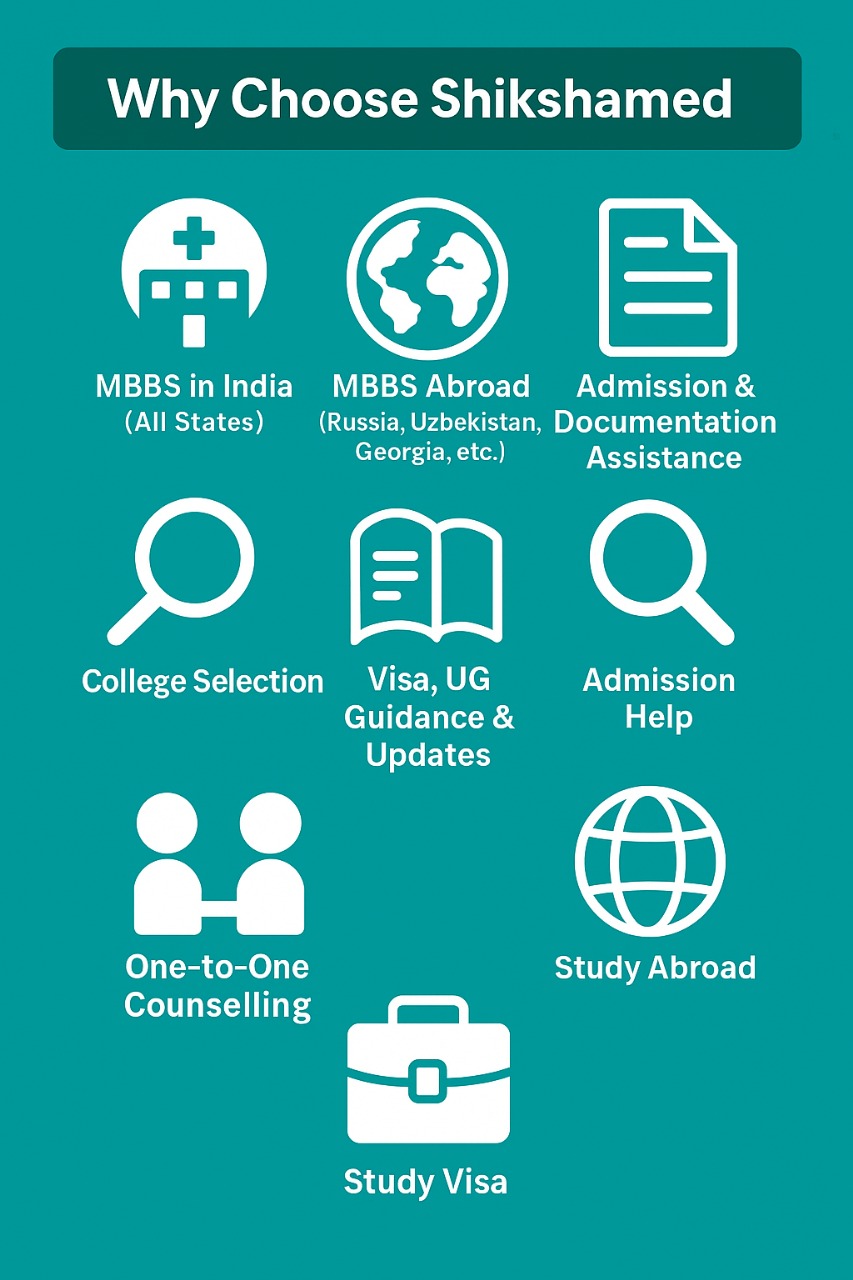
- Personalized Counselling : Every student’s dream is unique. Whether you are targeting General Surgery, Orthopedics, ENT, Ophthalmology, or any other MS specialization, our team provides step-by-step guidance tailored to your goals.
- Expert Guidance for Every Step : From application filling to final seat allotment, we make sure you take the right decisions at every stage.
- Complete Knowledge of PG Counselling : Be it All India Quota (AIQ) or State Quota counselling, we provide updated information, seat matrix details, and fee structures.
- College Selection Support : Based on your NEET PG rank, budget, and preferences, we help you shortlist the best medical colleges.
- 100% Transparent Process : No hidden charges, no false promises only honest and clear guidance.
- Proven Track Record : Year after year, we have helped students secure seats in top MD/MS specializations across India.
Why ShikshaMed is Your Best Choice
- India’s No.1 MBBS & PG admission consultancy
- Personalized counselling for every specialization
- Expert guidance for AIQ, State, and Deemed counselling
- Updated seat matrix & fee structure information
- 100% transparent counselling process
- Local presence with pan-India admission support
Conclusion
Pursuing a Master of Surgery (MS) is a big step forward for anyone who dreams of becoming a skilled and confident surgeon. This advanced degree gives you deep knowledge, real surgical experience, and specialization in the area you’re passionate about. Whether you want to work in top hospitals, teach in medical colleges, or open your own clinic, the MS degree opens multiple career doors. It also helps you earn respect in the medical community and gives you the tools to truly make a difference in people’s lives. If you’re aiming for MS in Surgery admission 2025, you can take expert guidance from the Best PG consultants for MS admission in Chandigarh to make your journey smooth and stress-free, as you’re choosing a career full of purpose, learning, and endless possibilities.
Recent Blogs

Join the Free Counseling Seminar in Ludhiana by ShikshaMed!
Bathinda’s Biggest MBBS Counseling Seminar – Book Your Free Seat Now
Free MBBS Counseling Seminar in Chandigarh | Hosted by ShikshaMed

Sri Aurobindo Medical College and Post Graduate Institute, Indore

Index Medical College Indore : NMC Approved MBBS Seats

Top Reasons to Choose Gautam Buddha Medical College, Dehradun

Top Reasons to Choose SGRRIMHS Dehradun for MBBS in 2025

Best MBBS Consultancy Services in Uttarakhand

Join Free MBBS Seminar by ShikshaMed – Book Your Seat Now

Shiksha Med: Top NEET Experts for MBBS Abroad & India

