This specialization is considered one of the most promising choices for MBBS graduates who wish to build a career as a Pulmonologist. With the increasing number of respiratory illnesses
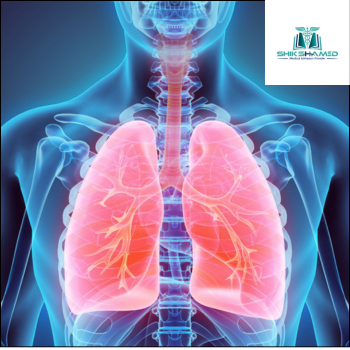
and environmental changes, the demand for skilled chest specialists is rising rapidly across hospitals, critical care units, and research fields.
MD Pulmonary Medicine helps students understand how the lungs function, how diseases affect the respiratory system, and how to provide effective treatment that improves patients’ breathing and overall quality of life.
MD in Respiratory Medicine is a 3-year postgraduate program where doctors learn:
The course prepares you to become a Pulmonologist, a specialist who treats all kinds of breathing problems and chest diseases.
Respiratory illnesses are rising at a very fast pace worldwide. The major reasons include:
Because of these factors, the demand for trained Pulmonologists is continuously increasing across the world.
Pulmonologists play a crucial role in today’s healthcare system. They are essential because:
With rising lung diseases, every hospital—government, private, or corporate—needs skilled specialists in Respiratory Medicine.
| Category | Details (Simple & Easy Language) |
| Course Level | Postgraduate (PG medical course after MBBS) |
| Duration | 2 Years |
| Minimum Qualification | MBBS or equivalent medical degree |
| Examination Type | Semester-based exams |
| Admission Process | Entrance exam (NEET PG, AIIMS, PGIMER, etc.) + Counselling |
| Total Course Fee | ₹1 lakh to ₹1 cr (varies by college) |
| Top Recruiting Areas | Govt. hospitals, private hospitals, research institutes, military healthcare, diagnostic labs, medical colleges, private clinics |
| Common Job Positions | National Consultant, Research Associate, Junior Scientist, Technical Assistant, Lecturer, Professor, TB & Chest Specialist |
| Average Starting Salary | ₹4 lakhs to ₹6 lakhs per year |
| Major Entrance Exams | NEET PG, AIIMS PG, PGIMER, JIPMER PG, CMC Vellore PG, UPSEE |
MD in Respiratory Medicine / MD Pulmonology is a 3-year postgraduate program designed for doctors who want to specialize in lung and chest diseases. The Respiratory Medicine course duration includes clinical training, ICU exposure, emergency care, bronchoscopy, and management of TB and chronic lung conditions.
To get admission into MD Pulmonary Medicine, you must have:
These are the basic requirements for anyone planning to take NEET PG for MD Respiratory Medicine. Once you meet these conditions, you can participate in counselling and choose a seat based on your rank.
Top Entrance Exams
Getting admission into MD Respiratory Medicine mainly depends on your NEET PG score. Every college—government, private, or deemed—follows a merit-based system. A higher score gives you a better chance of getting a seat. Each year, the MD Respiratory Medicine NEET PG cut-offs changes depending on the number of seats, number of applicants, and level of competition.
After the NEET PG results, the admission happens through two major counselling systems:
Both AIQ and State counselling follow the same process registration, choice filling, seat allotment, reporting, and document verification. This overall procedure is considered the standard MD Respiratory Disease admission process across India.
Seat distribution in Respiratory Medicine varies by state, but the common reservation categories are:
Because of this reservation system, the Respiratory Medicine seat matrix in India looks different for every counselling authority. Each category has its own cut-off, so the scores required for SC / ST / OBC / EWS candidates are usually lower than the General category.
The MD Respiratory Medicine syllabus is designed to give doctors complete training in lung diseases, emergency care, diagnostic procedures, and TB management. During these three years, students learn both theory and hands-on clinical skills that are essential for becoming a confident Pulmonologist. Overall, Pulmonology training in India focuses on patient care, ICU exposure, and procedure-based learning.
You learn the basics of evaluating patients, understanding symptoms, interpreting tests, and managing common respiratory problems. This builds your foundation for all advanced topics in the course.
TB is still a major health challenge in India. The syllabus includes diagnosis, MDR/XDR TB management, treatment protocols, DOTS, and public health strategies.
Students learn long-term management, inhaler therapy, emergency care, and modern treatment guidelines for asthma and COPD patients.
A big part of the course is exposure to ICU. You learn ventilator settings, oxygen therapy, managing respiratory failure, and handling critical care situations—an important component of procedures in respiratory medicine.
Hands-on training is provided in:
These procedures help you diagnose lung diseases with accuracy.
Every Pulmonologist must know how to read chest-related imaging. You learn:
This training helps you make quick and correct clinical decisions.
Choosing the right college is very important when you plan to specialize in Pulmonology. India has several leading institutes that offer excellent training, strong clinical exposure, and advanced respiratory care facilities. Below are some of the Best colleges for MD Respiratory Medicine in India, grouped into clear categories.
These institutes provide the strongest exposure in TB, ILD, COPD, emergencies, and ventilator management.
Some of the best government colleges offering MD Respiratory Medicine include:
These colleges have a very high patient load, which helps in strong clinical learning.
Leading private & deemed medical colleges for Pulmonology include:
These colleges offer modern facilities, structured training, and advanced diagnostic setups.
The MD Respiratory Medicine fees in India can vary a lot depending on whether you choose a government college, a private medical college, or an NRI quota seat. Below is a clear and easy breakdown.
Government colleges have the lowest and most affordable fees.
Typical Fee Range:
₹40,000 to ₹1.5 lakh per year
(Some states may charge slightly more, but overall govt institutes are the cheapest.)
Government colleges are the best option for students looking for strong clinical exposure at a low cost.
Private colleges and deemed universities have higher but structured fee systems.
Typical Fee Range:
₹12 lakhs to ₹30 lakhs per year
(Varies based on college reputation, location, and facilities.)
This is the standard Private medical college Pulmonology fees range across India.
NRI quota seats are the most expensive category.
Typical Fee Range:
USD $30,000 to $70,000 per year
(or ₹25 lakhs to ₹60 lakhs per year depending on the college)
Many deemed universities, private institutes, and some state colleges offer NRI seats. These NRI quota MD Respiratory fees may include additional charges like hostel, caution deposit, and university fees.
Over the last few years—especially after the COVID era—the NEET PG cut off for MD Pulmonary Medicine has gradually moved upward. This is mainly because the demand for lung specialists has increased across India, and more students now see Pulmonology as a strong, future-proof branch.
After COVID-19, hospitals realized the importance of having well-trained Pulmonologists who can handle respiratory failure, ICU care, ventilation, and post-COVID lung complications. Because of this:
All these factors have made the MD Pulmonology NEET PG cutoff 2024–2025 more competitive compared to previous years.
The Respiratory Medicine demand in India is rising because:
Because of these real-world needs, Pulmonology has shifted from a less-chosen specialty to a highly demanded branch with excellent career scope.
The career scope after MD Respiratory Medicine is extremely strong today. With rising pollution levels, increasing cases of asthma and COPD, and the post-COVID burden, the demand for skilled respiratory doctors has grown across India. Almost every hospital—big or small—now has a dedicated Pulmonology and Critical Care department, which means multiple job options and long-term stability.
Below are the major job roles you can take up after completing MD:
Sector: Government & private hospitals
You diagnose and treat asthma, COPD, pneumonia, ILD, TB, and other lung diseases. This is one of the most sought-after Pulmonologist jobs in India, especially in metro cities.
Sector: ICU / Emergency
You manage ventilators, respiratory failure, and emergency cases. Critical Care is in huge demand due to increasing ICU setups across the country.
Sector: Government programs, DOTS centers, private clinics
India being a high TB-burden nation ensures continuous demand for trained TB & Chest experts.
Sector: Sleep clinics, private hospitals
Sleep apnea and sleep disorders are rising in India, creating a new career path for Pulmonologists.
Sector: Private practice, specialty clinics
With increasing pollution and allergies, many doctors build successful allergy and asthma clinics with high patient footfall.
The future demand for respiratory doctors is expected to rise even more because of:
The earnings after MD Respiratory Medicine are quite good because Pulmonology has become one of the most important clinical branches in today’s healthcare system. With more ICUs, ventilator units, and respiratory clinics opening across India, the Pulmonologist salary in India has increased steadily.
Government hospitals offer stable pay, fixed working hours, and additional allowances like HRA and DA.
Typical Salary Range:
₹60,000 to ₹1 lakh per month (junior level)
₹1 lakh to ₹2 lakh per month (senior level or permanent posts)
Teaching hospitals and central institutes may offer slightly higher packages.
Private and corporate hospitals usually offer higher packages based on experience and skill.
Typical Salary Range:
₹50,000 to ₹1 lakh per month (for fresh MD graduates)
₹1.5 lakh to ₹2 lakh per month (with 3–5 years of experience)
Critical care exposure, bronchoscopy skills, and ICU management can increase salary further.
Pulmonology is one of the highest paying medical branches after MBBS when it comes to private practice.
Income Potential:
₹2 lakh to ₹8 lakh+ per month, depending on location, patient load, and services offered (spirometry, allergy tests, sleep studies, bronchoscopy referrals).
Cities with high pollution like Delhi, Mumbai, Bengaluru, and Kolkata see excellent patient demand.
Pulmonologists are in high demand across countries like:
Doctors with ICU and ventilator expertise get even better opportunities abroad. These countries offer salaries that are 10x to 15x higher than Indian pay scales.
After completing MD Respiratory Medicine, many doctors choose to go for super specialization to build deeper expertise and open more advanced career opportunities. Today, Pulmonology offers some of the best fellowship and DM options in India and abroad. These courses help doctors gain mastery in ICU care, advanced procedures, sleep studies, interventional work, and complex lung diseases.
This is a 3-year super specialty program that focuses on advanced lung diseases, ILD, pulmonary hypertension, and complicated respiratory cases. It is one of the top choices for those planning super specialization after MD Respiratory Medicine.
Ideal for doctors who want to work deeply in ICU settings. You get expert training in ventilators, life-support systems, emergency medicine, and long-term critical care management. Critical care specialists are in huge demand in both government and corporate hospitals.
Sleep apnea and related disorders are growing rapidly in India. This fellowship trains you in sleep studies, CPAP/BiPAP management, and running a dedicated sleep clinic—an excellent add-on for private practice.
This is one of the most popular higher study options. A Fellowship in Interventional Pulmonology trains you in advanced procedures like:
These skills make you highly specialized and increase job opportunities globally.
If you are wondering “Is MD Respiratory Medicine a good career?”, the answer depends on what type of work you enjoy and how comfortable you are with ICU and emergency care. This branch has excellent scope, but it also comes with a demanding workload. Here is a clear and honest overview.
Cases of asthma, COPD, TB, and post-COVID lung problems are increasing, making Pulmonology one of the fastest-growing specialties in India.
Hospitals need trained respiratory doctors in OPD, ICU, emergency, and critical care units, giving you long-term job security.
You get hands-on experience in bronchoscopy, thoracoscopy, ICU care, ventilator management, and advanced procedures skills that make you highly valuable.
With private practice, ICU expertise, and procedures, Pulmonologists can earn excellent income, especially in urban areas.
You can pursue DM Pulmonary Medicine, DM Critical Care, Sleep Medicine, or Interventional Pulmonology great options for career growth.
IPD rounds, ICU duty, night calls, and emergencies can be physically and mentally demanding.
You must be comfortable handling serious patients, ventilators, and life-threatening situations.
Chronic lung diseases, cancer cases, and severe respiratory failure can be emotionally challenging.
Respiratory doctors treat TB, pneumonia, viral infections, and other airborne diseases, so the risk of exposure is higher.
Choosing the best PG branch after MBBS is not easy. Every specialty has its own advantages. Here is a clear comparison to help understand where MD Respiratory Medicine stands compared to Internal Medicine, Paediatrics, and Radiology.
MD Respiratory Medicine vs Internal Medicine is one of the most common comparisons students make during NEET PG counselling. Respiratory Medicine is a focused, procedure-heavy branch dealing with lung diseases, bronchoscopy, asthma, COPD, TB, and ICU care. Internal Medicine is broader, covering all systems and leading to multiple DM options like Cardiology, Gastro, and Endocrinology. Respiratory Medicine offers high demand and faster private practice growth, while Internal Medicine offers wider career pathways.
| Parameter | MD Respiratory Medicine | MD Internal Medicine |
| Focus Area | Lung diseases, TB, asthma, COPD, ICU care | All body systems, broad medical base |
| Nature of Work | Procedure-based + ICU | Mostly clinical + investigations |
| Demand Level | Very high (post-COVID, pollution increase) | Always high and stable |
| Cutoff Trend | Lower than Internal Medicine | Higher than Respiratory Medicine |
| Super Specialization | DM Pulmonary, DM Critical Care, Interventional Pulmonology | Cardiology, Gastro, Endocrine, Nephro, etc. |
| Private Practice Scope | Fast growth, high patient load | Competitive, slower startup |
| Best For | Students wanting procedures + ICU exposure | Students wanting broad internal medicine training |
MD Respiratory Medicine vs Paediatrics is often compared by students deciding between adult and child-care specialties. Respiratory Medicine handles both adults and children with lung diseases and involves ICU, bronchoscopy, and emergency care. Paediatrics focuses only on children, with heavy OPD, NICU, and PICU workload. Respiratory Medicine offers higher earnings through procedures like bronchoscopy and sleep studies, while Paediatrics offers strong clinic-based practice but high competition.
| Parameter | MD Respiratory Medicine | MD Paediatrics |
| Patient Group | Adults + children | Only children |
| Work Style | OPD + ICU + bronchoscopy + procedures | Mostly OPD + emergencies + NICU/PICU |
| Income Potential | High (procedures, sleep labs, bronchoscopy) | Moderate to high depending on clinic setup |
| Demand in India | Rising rapidly due to pollution & TB | Stable but highly competitive |
| Lifestyle | Moderate workload, ICU duties | Busy OPD + emergency calls |
| Best For | Doctors who enjoy procedures & ICU | Doctors who love treating children |
MD Respiratory Medicine vs Radiology is a choice between a clinical procedure-based branch and a technology-driven diagnostic branch. Respiratory Medicine involves patient interaction, ICU care, ventilators, and bronchoscopy. Radiology offers high income, better lifestyle, fewer emergencies, and minimal patient contact. Respiratory Medicine has a lower cutoff than Radiology but requires comfort with emergencies and infections.
| Parameter | MD Respiratory Medicine | MD Radiology |
| Nature of Work | Clinical + ICU + procedures | Tech-based, diagnostic imaging |
| Patient Interaction | High | Low |
| Cutoff Trend | Much lower than Radiology | One of the highest cutoffs |
| Income Potential | High with private practice | Very high across all setups |
| Lifestyle | Emergency duties, ICU pressure | Lifestyle-friendly, fewer emergencies |
| Best For | Students who enjoy clinical medicine | Students who prefer non-clinical, tech-driven work |
Choosing the right PG medical branch and college is a life-changing decision. That’s why thousands of MBBS students trust ShikshaMed for genuine, transparent, and expert counselling. Whether you are searching for the Best PG Consultants in Chandigarh, PG Consultants near me, or the Best MD/MS Consultancy Services in Chandigarh, ShikshaMed stands out as the most reliable and result-driven choice.
Our team includes doctors and trained mentors who fully understand NEET PG ranks, cutoffs, seat matrix, and branch selection.
No hidden charges, no false commitments. Every step is explained clearly, making the entire counselling process stress-free and trustworthy.
We guide you based on your NEET PG rank, budget, state quota, and long-term career goals to help you choose the perfect MD/MS branch.
From registration, choice filling, and document verification to final seat allotment—our experts stay with you throughout the process.
We track the latest NEET PG cutoffs, counselling rules, and state-wise seat availability so you always make the right choice.
ShikshaMed is connected with leading government, private, and deemed universities, ensuring reliable guidance for every student.
We assist you until your final reporting at the allotted college, making sure your MD/MS admission journey is smooth and hassle-free.
From Chandigarh to Delhi, Punjab, Haryana, Himachal, and all major states—students searching for MD/MS Consultancy near me consistently choose ShikshaMed for its professionalism and results.
MD Respiratory Medicine has become one of the most powerful and in-demand medical specialties in India. With rising pollution, increasing asthma and COPD cases, and the long-term impact of COVID-19, the need for skilled respiratory doctors is higher than ever. This branch offers strong career stability, excellent private practice opportunities, ICU exposure, and long-term growth through fellowships and super-specializations. For MBBS graduates who enjoy clinical work, procedures, and critical care, MD Respiratory Medicine is a truly rewarding and future-proof career choice.
1. Is MD Respiratory Medicine same as Pulmonology?
Yes. MD Respiratory Medicine, MD Pulmonology, and MD TB & Chest are basically the same specialty focusing on lung and chest diseases.
2. Can a Pulmonologist work in ICU?
Absolutely. Pulmonologists are trained in ventilator management, respiratory failure, and critical care, so they play a major role in ICU units.
3. What is the salary after MD Respiratory Disease?
A fresh MD usually earns ₹1 lakh to ₹3 lakh per month in private hospitals. With experience and private practice, income can go much higher.
4. Is MD Respiratory Medicine a good career?
Yes. It is one of the fastest-growing medical branches in India because of pollution, TB, asthma, COPD, and post-COVID complications.
5. What diseases does a Pulmonologist treat?
Asthma, COPD, pneumonia, TB, ILD, sleep apnea, lung infections, allergies, and respiratory emergencies.
6. Is NEET PG required for MD Respiratory Medicine?
Yes. NEET PG or INI CET is mandatory to get admission for MD Respiratory Medicine in India.
7. What is the course duration of MD Respiratory Medicine?
It is a 3-year postgraduate program.
8. Do Pulmonologists perform procedures?
Yes. They perform bronchoscopy, thoracoscopy, pleural tapping, spirometry, and advanced interventions in some institutes.
9. Is Respiratory Medicine in high demand after COVID?
Very high. COVID increased awareness about lung health, and the need for respiratory specialists grew rapidly.
10. Which is better: MD Respiratory Medicine or MD Internal Medicine?
Both are good. If you like procedures and ICU work → Respiratory Medicine.
If you want a broad specialty → Internal Medicine.
11. What is the future scope of Pulmonology in India?
Huge. With increasing pollution and lifestyle changes, lung specialists will continue to remain in high demand.
12. Can a Pulmonologist open their own clinic?
Yes. Many pulmonologists run successful asthma, allergy, sleep, and respiratory clinics.
13. Are there fellowships after MD Respiratory Medicine?
Yes. Interventional Pulmonology, Sleep Medicine, Critical Care, and DM Pulmonary Medicine are popular options.
14. What is the eligibility for MD Respiratory Medicine?
MBBS + completion of internship + NEET PG / INI CET qualification.
15. Is MD Respiratory Medicine available in government colleges?
Yes. Many government medical colleges and AIIMS institutions offer this course with affordable fees.