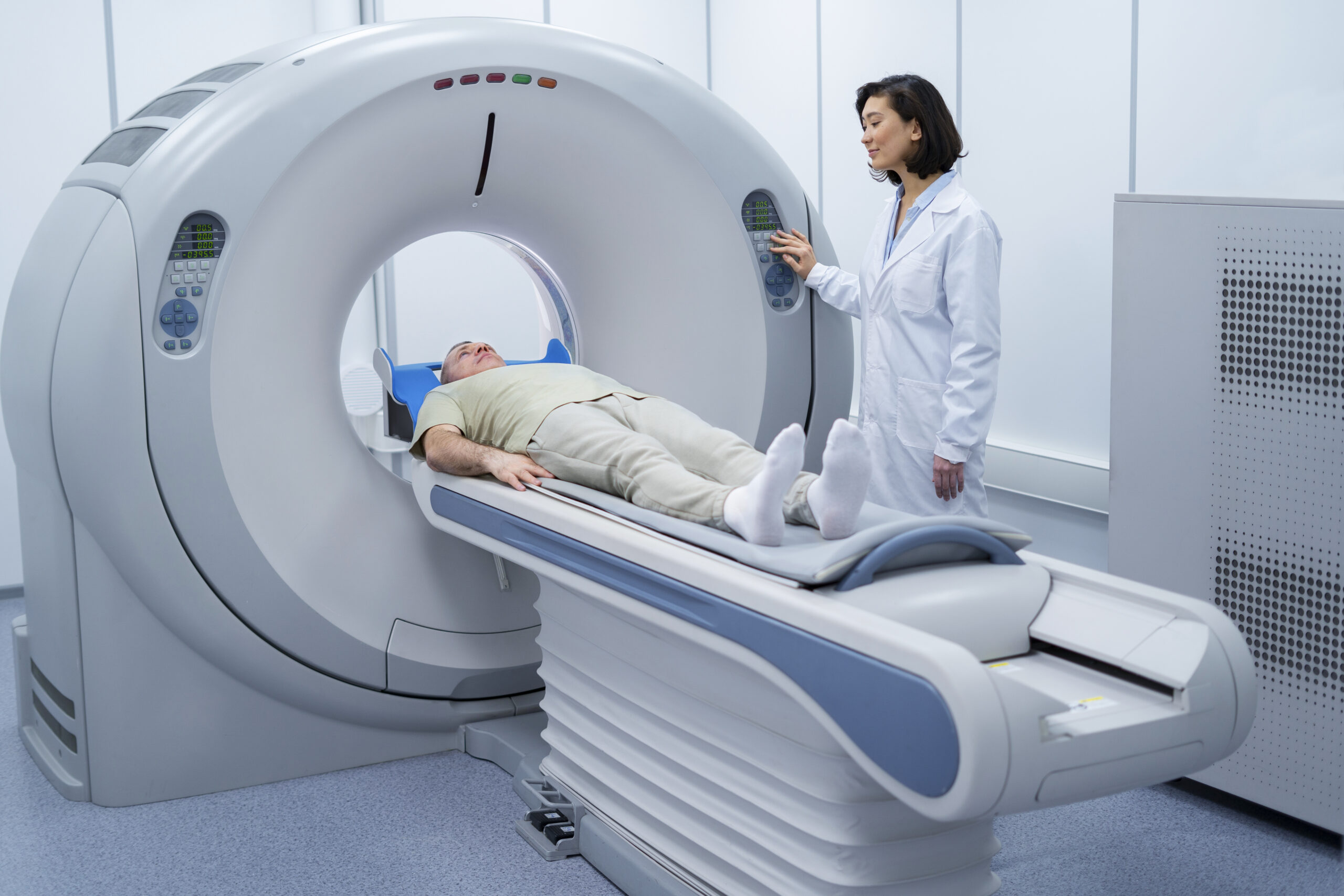
Radiology is the backbone of today’s healthcare system. No major medical decision whether in surgery, cardiology, neurology, oncology, or orthopaedics can be made without imaging.
This is why Radiology has become one of the most relevant and indispensable branches in the world.
Key reasons why radiology is essential:
From infants to elderly patients, radiology supports every department, making it the heart of clinical practice.
The demand for MD Radiology has increased rapidly because of:
In fact, Radiology PG course in India is one of the most competitive and in-demand specialties in NEET PG because of its excellent lifestyle, high salary, and growing career opportunities.
MD Radiology is ideal for students who:
If you love the idea of diagnosing diseases through images rather than performing surgeries, MD Radiology is the perfect choice.
| Particular | Details |
| Course Level | Postgraduate Medical Degree |
| Full Form | Doctor of Medicine (MD) in Radiodiagnosis / Radiology |
| Duration | 3 years of full-time training |
| Eligibility | Must have an MBBS degree from an NMC/MCI-recognized college + Completed Internship |
| Entrance Requirement | Must qualify the NEET PG exam for admission |
| Age Limit | No upper age limit for general students (age rules may apply only for government service quotas) |
| Admission Process | Entrance-based through NEET PG, followed by counselling (MCC/State) |
| Course Fee (Approx.) | ₹50,000 – ₹1 cr per year (varies by Govt, Private, Deemed universities) |
| Average Starting Salary | ₹8 – ₹12 Lakhs per year for fresh MD Radiologists |
| Top Recruiting Areas | Hospitals, Diagnostic Centres, Imaging Centres, Research Institutes, Corporate Hospitals |
| Common Job Roles | Radiologist, Consultant Radiologist, Sonologist, CT/MRI Specialist, Interventional Radiology trainee |


MD in Radiology (MD Radio Diagnosis) is a 3-year full-time postgraduate medical program.
During these three years, students learn:
The MD Radiology duration is the same across government, private, and deemed universities.
To apply for the MD Radiology course, you must meet the following eligibility criteria:
You must have a recognized MBBS degree from an NMC/MCI-approved medical college.
A 1-year compulsory rotating internship must be completed before the deadline of NEET PG counselling or seat allotment.
(Internship completion date varies every year based on NMC notification.)
A valid NEET PG score is mandatory.
Admission to Radiology is strictly through NEET PG, as it is one of the most competitive branches.
Some states may have:
These vary by state counselling authority.
Getting admission into MD Radiology is one of the most competitive processes in NEET PG because Radiology is a top-choice branch for thousands of MBBS graduates. Here is a simple and clear explanation of how the MD Radiology admission process works in India.
To apply for MD Radiology admission 2025, you must qualify one of the following exams:
✔ NEET PG
✔ INI CET (for AIIMS, JIPMER, NIMHANS, PGIMER)
You can choose either or both depending on the colleges you aim for.
Once you clear NEET PG, the first level of counselling is through MCC (Medical Counselling Committee).
AIQ Covers:
Process:
This is where most students compete for top MD Radiology seat matrix in India.
Each state conducts its own counselling for 85% Government seats and 100% private medical college seats.
State Counselling Includes:
You have to register separately for each state where you want to apply.
India follows a structured reservation system for PG medical admissions:
Reservation Categories:
Seat allotment depends on the MD Radiology seat matrix India, which is released before counselling every year.
After a seat is allotted, students must complete:
✔ Document verification
✔ Fee payment
✔ Joining report submission
✔ Bond formalities (if applicable)
Only after this, the seat becomes officially confirmed.
The MD Radiology syllabus is designed to train doctors in all major imaging technologies and diagnostic procedures used in modern medicine. The curriculum focuses on strong theoretical knowledge, practical skills, image interpretation, and hands-on clinical experience.
Below is a clear and simple breakdown of the Radiology subjects list and practical training components.
These are the main subjects taught during the 3-year MD Radiology course:
MD Radiology is highly practical. Students spend most of their time in imaging rooms, reporting rooms, and emergency units.
Hands-on experience improves confidence and prepares students for real-time clinical work.
MD Radiology students must participate in:
These help students stay updated with the latest imaging technologies.
Every MD Radiology student must complete a research thesis/dissertation during the 3-year course.
This includes:
This trains students in research and enhances academic knowledge.
MD Radiology is one of the most in-demand PG medical specialties in India, and choosing the right college is extremely important. Good radiology institutes offer strong reporting exposure, high patient scans per day, advanced machines, and good interventional radiology opportunities.
Below is a category-wise list of the best medical colleges for MD Radiology.
These are considered the best colleges for MD Radiology in India because of excellent training, top faculty, and high patient volume.
Top Central Institutes
These institutes offer the strongest exposure in CT, MRI, ultrasound, mammography, and interventional radiology.
Government colleges offer high patient load, good academics, and affordable fees.
Popular Government Colleges for MD Radiology
These are among the top radiology medical colleges in India for students seeking strong reporting experience.
These institutes offer modern diagnostic centers, digital reporting systems, and advanced imaging technology.
Top Private/Deemed Colleges for MD Radiology
These colleges provide excellent exposure to MRI, CT, Doppler studies, and interventional radiology procedures.
The MD Radiology fees in India vary a lot depending on the type of college—government, private, deemed, or NRI quota. Radiology is a high-demand branch, so fee ranges are generally higher in private institutes.
Below is a simple and clear breakdown.
Government colleges offer the most affordable fee structure, making them the top choice for students who secure good NEET PG ranks.
Fee Range (Approx.):
₹20,000 – ₹2,00,000 per year
(Varies by state and category)
Why Govt Colleges Are Preferable:
Government institutes offer the best value for money in India.
Private and deemed universities offer modern machines, digital reporting systems, and excellent infrastructure. However, Private college Radiology fees are higher due to high demand for the specialty.
Fee Range (Approx.):
₹20,00,000 – ₹1 cr per year
(Some top private colleges even go beyond this range)
Why Students Choose Private/Deemed Colleges:
Private colleges are ideal for students who value technology and modern training.
NRI quota seats are available in many private and deemed universities. These seats are usually filled in the MCC Deemed University counselling.
NRI Fee Range (Approx.):
$40,000 – $80,000 USD per year
(₹30,00,000 – ₹65,00,000 per year, depending on college)
Key Points About NRI Seats:
Radiology is considered one of the top 3 most preferred PG branches in India.
Here’s why the Radiology highest cutoff PG medical branch trend continues every year:
✔ High Salary Packages
Radiologists earn ₹15–60 Lakhs+ depending on location and experience.
✔ Best Work–Life Balance
Minimal emergencies, fixed work hours, and clean working conditions.
✔ Technology-Oriented Branch
CT, MRI, Ultrasound, PET — radiology is the backbone of modern medicine.
✔ Demand in Every Hospital
Every department (ortho, neuro, cardio, onco, surgery) relies on imaging.
✔ Growth of Private Diagnostic Centers
Huge demand in cities, towns, and rural areas.
✔ Safe, Non-Surgical Field
No long OT hours or trauma stress compared to surgical branches.
Because of these advantages, Radiology consistently attracts toppers, making the cutoffs among the highest in NEET PG.
MD Radiology is one of the most promising and fast-growing specialties in modern medicine. With the rise of diagnostic centers, multi-specialty hospitals, digital radiology, and interventional procedures, the Radiologist career scope is stronger today than ever before.
After completing MD Radiology, doctors have multiple career options—in hospitals, clinics, corporate setups, research, or even remote teleradiology.
Below is a simple explanation of the major job profiles and where radiologists work.
Here is a clear table summarizing the main roles:
| Job Role | Sector / Where You Work |
| Radiologist | Government & Private Hospitals, Diagnostic Centers |
| Interventional Radiologist | Surgical Departments, Cath Labs, Trauma & Vascular Centers |
| Consultant Radiologist | Corporate Hospitals, Specialty Clinics |
| Tele-radiologist | Remote Reporting Centers, Work-from-Home Radiology |
| Sonologist | Ultrasound Centers, Maternity Hospitals |
| MRI/CT Specialist | High-end Diagnostic Chains |
| Academic Faculty / Tutor | Medical Colleges & Teaching Hospitals |
| Research Radiologist | Research Institutes, Imaging Technology Projects |
Radiology is required in every medical department—from neurology and oncology to orthopedics and cardiology. Without imaging, diagnosis cannot be accurate. This makes the Radiologist career scope extremely strong.
Why Radiology Has Huge Scope:
In short, Radiology job opportunities are increasing rapidly across India and abroad.
Radiology offers one of the fastest salary growth paths.
As experience increases, earning potential rises quickly—especially in MRI/CT reporting and interventional radiology.
Average ranges:
This strong earning potential is why jobs after MD Radiology are highly preferred by NEET PG toppers.
After completing MD Radiology, many doctors choose to pursue super specialization to enhance their skills and enter high-demand, high-paying imaging subspecialties. These advanced programs provide deeper knowledge, better reporting confidence, and excellent career opportunities in India and abroad.
Below is a simple breakdown of the best options available.
A super specialization focused entirely on brain, spine, and nerve imaging.
You learn advanced MRI protocols, neurovascular imaging, stroke imaging, and neurointerventional basics.
Best For:
Doctors interested in neurology, neurosurgery support, and complex CNS cases.
(One of the most demanded super specialties)
This 3-year DM course focuses on minimally invasive image-guided procedures.
You Learn Procedures Like:
Why It’s Popular:
The Interventional Radiology fellowship or DM program offers extremely high earning potential and is one of the fastest-growing specialties in medicine.
Fellowships are the most common super specialization after MD Radiology.
They are shorter than DM but provide intense hands-on experience.
Below are the most sought-after fellowships:
Focuses on:
Highly demanded in maternity hospitals and fetal imaging centers.
Covers:
Useful for cardiology, vascular surgery, and interventional departments.
Specializes in:
High demand in ortho hospitals, sports injury centers, and corporate diagnostic chains.
Trains you in:
An excellent option for radiologists interested in women’s imaging and cancer screening.
These fellowships improve expertise and open doors for senior consultant positions.
MD Radiology is known for offering one of the highest salaries and best lifestyles among all PG medical specialties. Radiologists are needed in hospitals, diagnostic centers, corporate chains, and remote tele-reporting services, which creates strong earning opportunities from the very beginning.
Below is a simple breakdown of income in different sectors.
Government hospitals offer stable income and fixed working hours.
The salary is decent and increases with experience and promotions.
₹50,000 – ₹1,10,000 per month
(Approx. ₹6 – 12 Lakhs per year)
Government jobs also include:
Private hospitals pay more depending on city, demand, and workload.
₹50,000 – ₹1,50,000 per month
(₹6 – 15 Lakhs per year)
In metro cities and corporate chains, salaries can go even higher.
Why Private Hospitals Pay More:
Diagnostic centres offer some of the highest salaries because imaging is their core service.
Income Range (Diagnostic Labs):
₹2,00,000 – ₹4,00,000 per month
(₹24 – 48 Lakhs per year)
Radiologists may also earn additional incentives for extra reporting or working extended hours.
Tele-radiology has become extremely popular and offers flexible timings.
Tele-Radiology Earnings:
₹1,50,000 – ₹5,00,000+ per month, depending on:
Many radiologists choose tele-reporting for high income + best work–life balance.
MD Radiologists are in high demand across countries like USA, UK, Australia, Canada, UAE, and Singapore.
Average International Salary:
These earnings make Radiology one of the highest paying medical branches in the world.
Radiology offers excellent earning potential because:
Choosing MD Radiology is one of the most common dreams for NEET PG aspirants. It offers excellent lifestyle, high income, and strong long-term demand. But like every medical specialty, it also has its own challenges.
Below is a balanced & honest breakdown that will help you decide Is MD Radiology a good career?
One of the biggest advantages of MD Radiology is the strong income from the very beginning.
Radiologists earn well in:
Income increases rapidly with CT/MRI expertise.
Radiology is one of the few PG branches with:
Perfect for students who want a high-income + balanced lifestyle.
Radiology does not require:
This makes it suitable for those who prefer a non-invasive specialty but still want strong clinical involvement.
Every department depends on Radiology:
This ensures strong job stability and plenty of opportunities.
One of the most attractive advantages:
Radiologists can work remotely and still earn exceptionally well.
Perfect for:
Radiology consistently has one of the highest NEET PG cutoffs.
It is difficult to get a Government seat unless you rank very high.
This high competition is because:
Radiology requires:
If you’re not comfortable with technology, the field may feel challenging.
Radiologists mainly work behind screens.
If you love long patient interaction or bedside practice, this branch may not fully satisfy you.
New imaging techniques keep evolving:
Radiologists must stay updated or risk falling behind.
Radiology reports influence major diagnoses and surgeries.
Sometimes mistakes can lead to:
Accuracy is extremely important.
Radiology is one of the most preferred PG medical branches in India, so students often compare it with Dermatology, Medicine, and General Surgery. Here’s a clear and honest comparison to help you understand how Radiology stands against these specialties.
| Parameter | MD Radiology | MD Dermatology |
| Nature of Work | Imaging-based, tech-driven, non-invasive | Skin, hair, nails, cosmetic dermatology |
| Lifestyle | Excellent, minimal emergencies | Excellent, OPD-based |
| Income | High (CT/MRI/Tele reporting) | High (cosmetic practice) |
| Patient Interaction | Very limited | High; mostly OPD consultations |
| Competition/Cutoff | Very high | Extremely high (even more competitive) |
| Work Environment | Reporting rooms, diagnostic centers | Clinics, cosmetic centres |
| Parameter | MD Radiology | MD Medicine |
| Workload | Low to moderate | Very high (ICU, wards, ER) |
| Lifestyle | Excellent | Busy, irregular timings |
| Income | Very high | Moderate to high |
| Nature of Work | Imaging interpretation | Clinical diagnosis + inpatient care |
| Emergencies | Rare | Frequent |
| Stress Level | LOW | HIGH |
| Super Specialization | IR, Neuroradiology, MSK, Fetal | Cardio, Gastro, Pulmo, Endo, etc. |
| Parameter | MD Radiology | MS General Surgery |
| Nature of Work | Non-surgical, tech-based | Highly surgical, hands-on |
| Physical Workload | Very low | Very high — long OT hours |
| Lifestyle | Excellent | Poor–Moderate (emergencies) |
| Income Growth | Fast (especially tele & MRI/CT) | Good but depends on surgeries |
| Patient Interaction | Limited | Very high |
| Stress/Emergency Load | Low | High |
| Post-PG Options | IR, MSK, Fetal, Neuro | Onco, Uro, GI, Vascular, Plastic |
Selecting the right guidance for MD/MS admissions is crucial especially for highly competitive branches like MD Radio Diagnosis. With 13+ years of proven expertise, Shikshamed is trusted by thousands of doctors for accurate, ethical, and transparent counselling.
✔ Specialized Guidance for MD Radiology / MD Radio Diagnosis
Expert counsellors with deep understanding of Radiology seat trends, cut-offs, DNB vs MD comparison, and real-time counselling insights.
✔ Your Trusted Partner for PG Medical Admissions
Recognized as the Best PG Consultants for MD/MS Admissions, offering reliable and expert guidance for medical PG courses across India.
✔ End-to-End Counselling Support
From NEET PG strategy → choice filling → paperwork → allotment → admission — everything handled professionally.
✔ Honest & Transparent Counselling
No hidden charges or false guarantees — only genuine, fact-based admission guidance.
✔ Experts for All Major MD/MS Branches
Shikshamed provides specialized counselling for all clinical & surgical PG courses, including:
MD Radiology is one of the strongest and most future-proof medical careers in India. With advanced imaging technology, high earning potential, and excellent work–life balance, Radiology continues to attract top NEET PG rankers every year. The scope is immense—whether in hospitals, diagnostic centres, interventional radiology, or global tele-reporting.
If you’re aiming for a stable, respected, and high-growth medical specialty, Radiology is one of the smartest choices you can make. Starting your preparation early, understanding cutoff trends, and choosing the right college can make your journey much easier.
Is MD Radiology difficult?
MD Radiology is not difficult, but it requires strong observation skills, attention to detail, and good clinical reasoning. The subject is more concept-based than memory-based. Once you understand imaging patterns, it becomes very interesting and enjoyable.
Can a radiologist do surgery?
A radiologist cannot perform open surgeries like general surgeons.
However, radiologists can perform minimally invasive procedures through Interventional Radiology such as:
These procedures are done using imaging guidance, not traditional surgery.
Is interventional radiology part of MD Radiology?
Yes. During MD Radiology, you get basic exposure to interventional radiology procedures.
For full specialization, you can pursue:
IR is one of the fastest-growing and highest-paying imaging specialties.
Which country pays radiologists the highest?
The USA pays radiologists the highest in the world.
Average annual salaries in top countries:
Radiology is one of the top-paying medical branches worldwide.
What is the starting salary after MD Radiology?
Fresh MD Radiologists typically earn:
Tele-radiology can add extra income.
Can I do MD Radiology without NEET PG?
No. NEET PG (or INI CET for AIIMS/JIPMER) is mandatory for MD Radiology admission in India.
Does MD Radiology have night duties?
Radiology has minimal night duties compared to clinical and surgical branches.
Emergency CT and MRI reporting may happen occasionally, but overall lifestyle is very comfortable.
Is MD Radiology better than Dermatology?
Both are lifestyle specialties.
What is the future scope of MD Radiology?
The scope is excellent due to:
MD Radiology remains one of the top specialties with long-term demand.
Is MD Radiology the highest paying branch?
Yes. Radiology is often considered one of the highest paying medical branches in India and abroad, especially with advanced CT/MRI experience and interventional radiology training.
Can a radiologist open their own diagnostic center?
Yes. Many radiologists open:
Private practice offers very high earning potential.
What is the difference between MD Radiology and DNB Radiology?
Both are valid and recognized.
MD is often preferred for teaching posts; DNB is excellent if done from a high-volume hospital.
Is there patient interaction in Radiology?
Radiology has limited patient interaction, mainly during ultrasound, interventional procedures, or when explaining scans. Most of the work happens inside reporting rooms.
What super-specializations are available after MD Radiology?
Popular options include:
Can I work from home after MD Radiology?
Yes. Tele-radiology allows radiologists to work remotely and earn very well, making it one of the most flexible medical specialties.